Jakarta Aktual – 16 June 2026 | In a chaotic display of emergency landings, the world witnessed two distressing incidents within a span of 24 hours. On June 15, a small plane radioed into Jackson County Airport in Michigan after two passengers began experiencing a medical issue due to a ventilation issue that caused fumes to leak into the cockpit. The plane landed safely at the airport, and the two occupants, a man and a woman in their 20s, were taken to the hospital. They are expected to recover.
Earlier that day, Delta Flight 1966 from San Juan landed safely at JFK Airport in New York after reports of flat tires before landing. Emergency crews escorted the plane to Terminal 4 Gate A14. Officials confirmed that 46 units and 141 fire and EMS personnel responded, with no injuries reported. The Delta statement confirmed “some damage to one tire, but not a major situation given the maintenance team determined the aircraft was suitable to continue taxiing over to the gate for the tire replacement rather than having to do so on the taxiway.” The plane was carrying 170 customers.
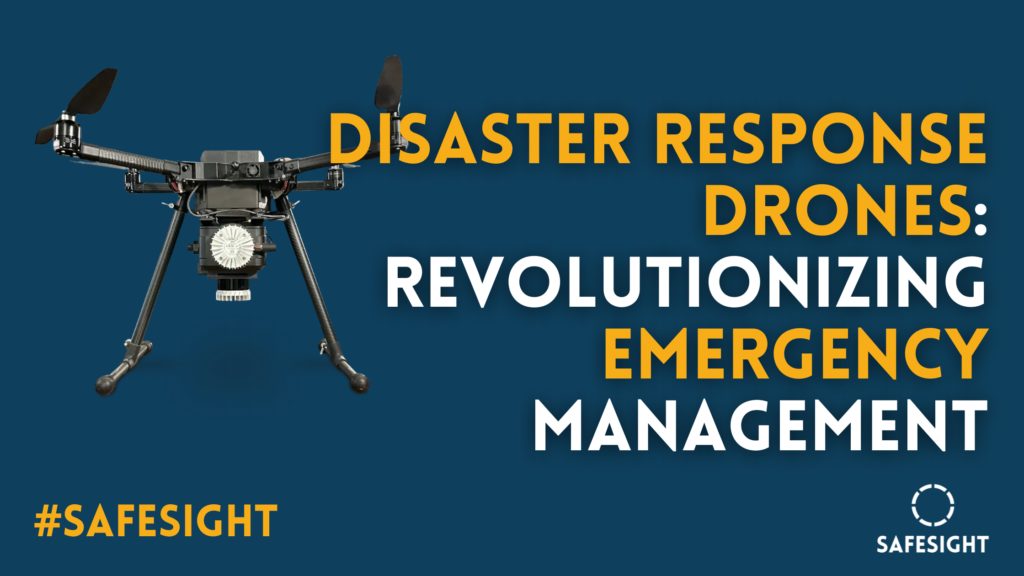
Meanwhile, maritime autonomous infrastructure developer WaiV Robotics announced its entry into the U.S. market, bringing its autonomous drone launch and recovery technology to offshore operators. The system combines artificial intelligence with a patent-pending landing and recovery mechanism designed to support operations in challenging maritime conditions. Drones have become valuable tools for offshore inspections, infrastructure monitoring, and emergency response, but recovering a drone safely on a moving vessel remains a major operational challenge.
WaiV’s platform addresses this challenge by automating the final stages of the landing process. The system includes a gyro-stabilized landing surface that compensates for vessel movement caused by waves, an AI-enabled flight control system that takes control during the final approach phase, and a proprietary landing pad that absorbs impact and secures the aircraft after touchdown.
As the world grapples with the complexities of emergency landings, it is heartening to see technological innovations like WaiV’s autonomous drone recovery system emerging to provide a safety net for the aviation industry.
The increasing demand for offshore energy assets has led to a rise in remote operations, making it essential for operators to have reliable and efficient systems in place for emergency landings. WaiV’s entry into the U.S. market is a significant step towards addressing this need, and its technology has the potential to revolutionize the way drones are recovered at sea.
In conclusion, the recent emergency landings serve as a reminder of the importance of having robust systems in place for emergency situations. The introduction of WaiV’s autonomous drone recovery technology is a welcome development that has the potential to save lives and reduce the risk of accidents in the aviation and maritime industries.