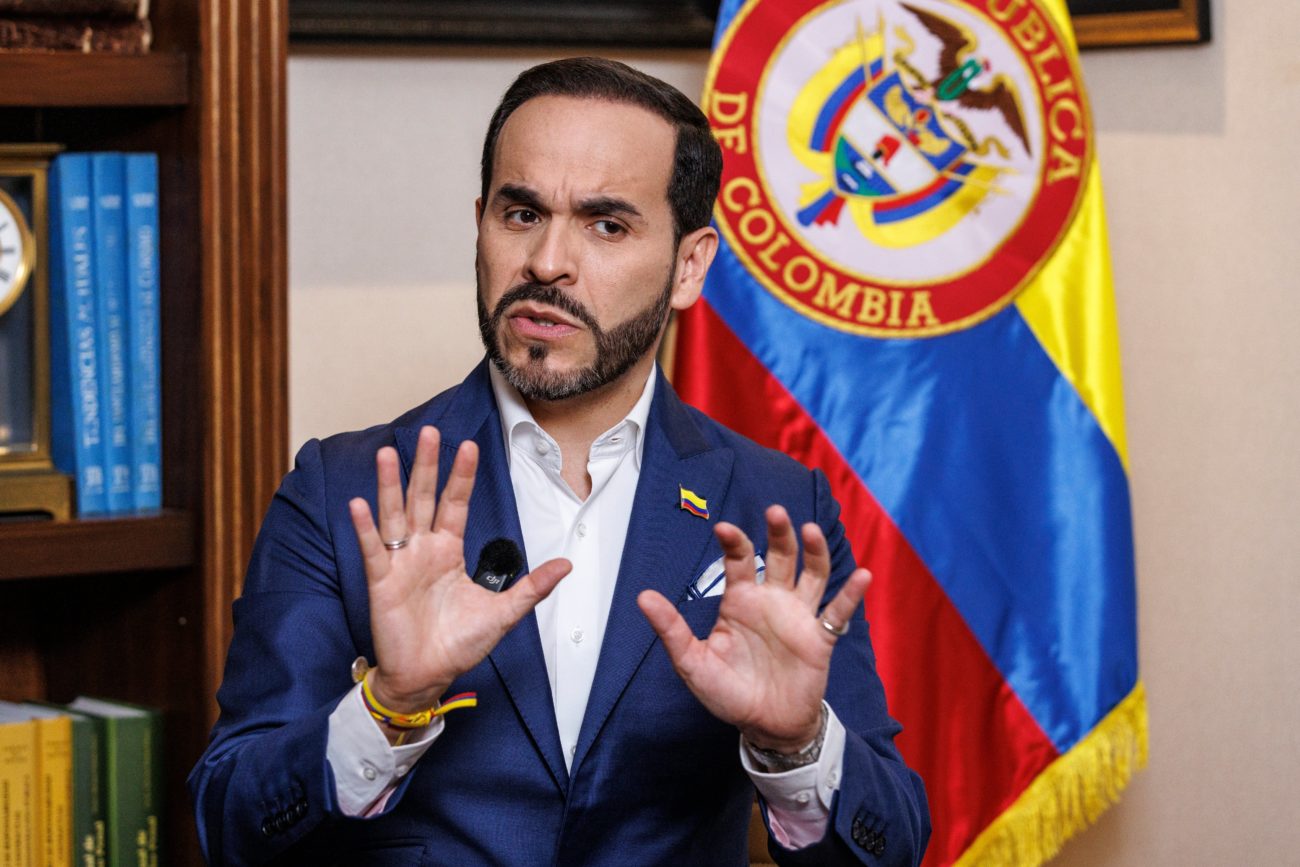
Jakarta Aktual – 21 June 2026 | The elecciones Colombia 2026 have been marked by a highly competitive and closely contested presidential race, with Abelardo De La Espriella emerging as the apparent winner. As the country awaits the official results, De La Espriella, the candidate from the Defensores de la Patria movement, has taken a narrow lead over his opponent, Iván Cepeda, from the Pacto Histórico party.
According to the latest reports, De La Espriella has secured 12,878,969 votes, giving him a slim margin of victory in the elecciones Colombia 2026. Cepeda, on the other hand, has garnered 12,566,595 votes, putting him in a close second place. The results, which have been described as preliminary, indicate that De La Espriella has won by a difference of less than 300,000 votes, equivalent to approximately 1.18 percentage points.
The elecciones Colombia 2026 have been characterized by a high level of voter participation, with over 41 million citizens casting their ballots. The election has also been marked by some controversy, with President Gustavo Petro denouncing irregularities in the voting process and calling for the impugnation of certain polling stations. Despite these concerns, the election has been largely peaceful, with only minor incidents reported in some rural areas.
As the country looks to the future, the outcome of the elecciones Colombia 2026 is expected to have significant implications for Colombia’s political and economic landscape. De La Espriella’s victory is seen as a shift to the right, with the new president promising to bring order and authority to the country. The incoming administration is also expected to adopt a more conservative approach to economic policy, which could lead to changes in the country’s trade relationships and investment climate.
In the aftermath of the elecciones Colombia 2026, both candidates have pledged to respect the results and work towards a peaceful transition of power. Cepeda has stated that he will accept the outcome of the election, while De La Espriella has promised to govern for all Colombians, regardless of their political affiliation. As the country moves forward, it remains to be seen how the new administration will address the challenges facing Colombia, including issues related to security, economic development, and social inequality.
In conclusion, the elecciones Colombia 2026 have marked an important milestone in the country’s democratic process, with the Colombian people exercising their right to choose their leaders and shape the future of their nation. As the new president takes office, he will face the daunting task of addressing the country’s complex challenges and working towards a more prosperous and equitable future for all Colombians.