Jakarta Aktual – 17 June 2026 | The Strait of Hormuz, a crucial passage for the world’s oil and natural gas, is set to reopen after the US and Iran reached a memorandum of understanding. This development comes as a significant breakthrough in the conflict between the two nations, which had been ongoing since the US launched ‘Operation Epic Fury’ in February. The agreement includes a new standard for downblending of highly enriched Iranian uranium and provisions to ensure the territorial integrity of Lebanon after Israel‘s latest attacks against Hezbollah in Lebanese territory.
According to officials, the US will move to waive some wide-ranging sanctions against Iran once the deal is signed. However, the US draft of the agreement only secures toll-free passage of the Strait of Hormuz for 60 days, and it does not preclude fees in the future. This temporary arrangement has raised concerns about the long-term implications of the deal, particularly with regards to the Strait of Hormuz.
President Donald Trump has expressed confidence in the agreement, stating that it will hold, but warned that the US will ‘go back to bombing’ if Tehran does not abide by the conditions set out in the deal. The President’s remarks have been met with skepticism, with many questioning the effectiveness of the agreement in preventing Iran from developing nuclear weapons. The reopening of the Strait of Hormuz is a significant step forward, but it remains to be seen whether the agreement will ultimately achieve its goals.
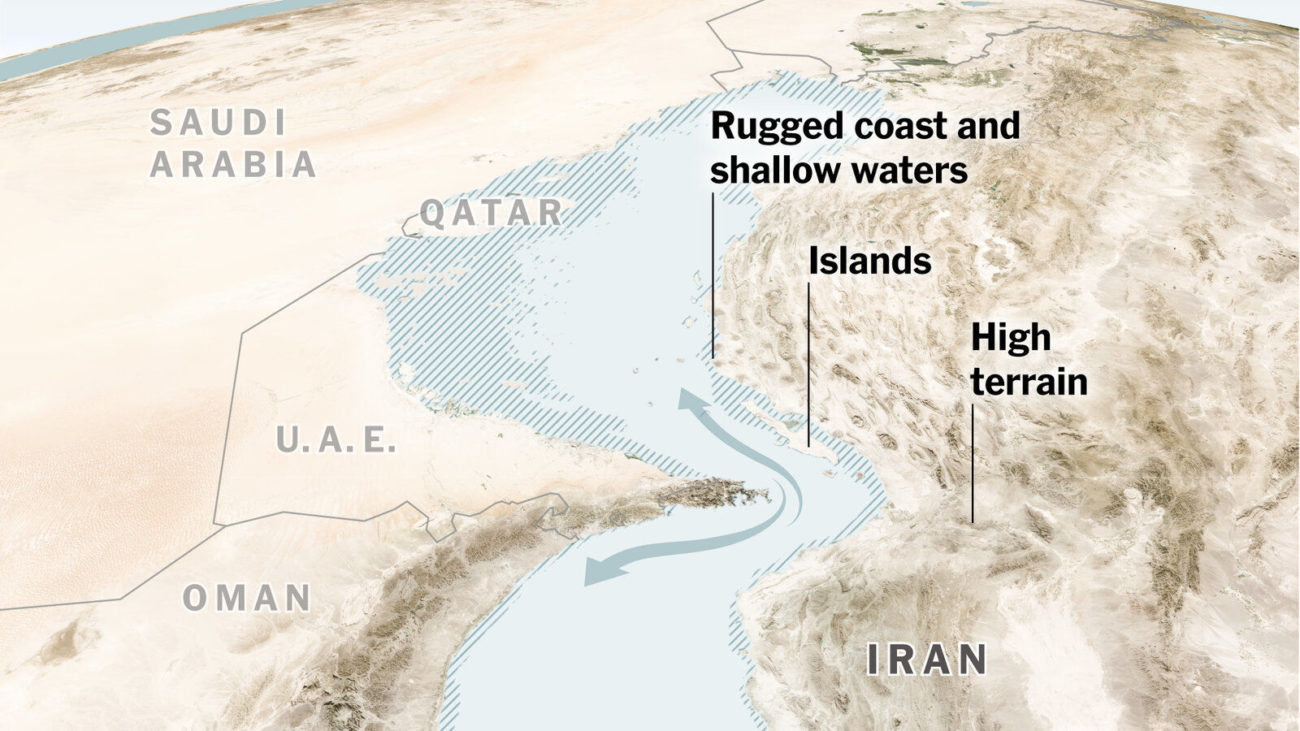
The Strait of Hormuz has been a major point of contention in the conflict, with Iran’s ability to control the passage giving it significant leverage over the global oil market. The US has been keen to reopen the Strait of Hormuz, not only to ensure the free flow of oil but also to limit Iran’s ability to disrupt global trade. The agreement marks a significant shift in the dynamics of the conflict, with the US and Iran engaging in diplomatic efforts to resolve their differences.
Larry Kudlow, a Fox Business host, has highlighted Iran’s weakened state, stating that the country is ‘on its knees’ militarily and economically. This assessment is reflected in the terms of the agreement, which appear to favor the US. However, the deal has been criticized for not addressing some of the key concerns, such as Iran’s ballistic missile stockpile. The US had initially sought to destroy Iran’s ballistic missiles, but this goal has been abandoned in the current agreement.
The Strait of Hormuz will play a critical role in the implementation of the agreement, with the US and Iran working to ensure the safe passage of commercial vessels. The reopening of the Strait of Hormuz will have significant implications for the global economy, particularly in the oil and gas sector. As the situation continues to evolve, it remains to be seen whether the agreement will ultimately lead to a lasting peace between the US and Iran, and what role the Strait of Hormuz will play in this process.
In conclusion, the agreement between the US and Iran to reopen the Strait of Hormuz marks a significant development in the conflict between the two nations. While the deal has been met with skepticism, it represents a crucial step forward in the diplomatic efforts to resolve the differences between the US and Iran. The Strait of Hormuz will continue to play a critical role in the implementation of the agreement, and its reopening will have significant implications for the global economy.